What a restoration specialist looks for when moisture is present
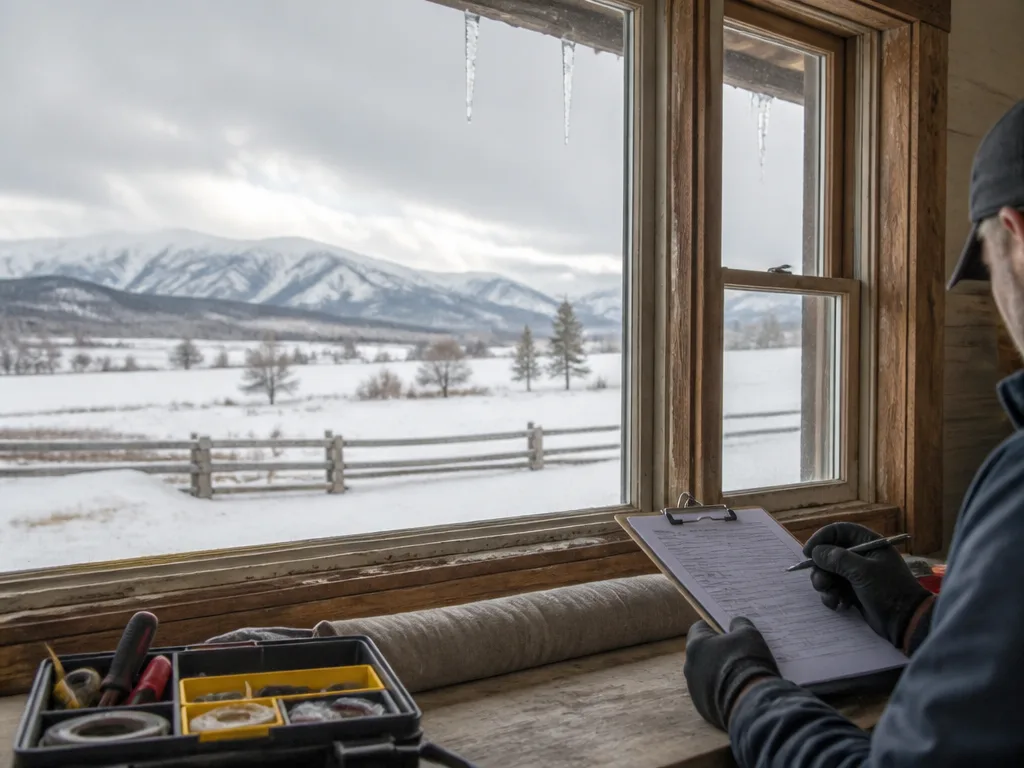
Across Wyoming, moisture can show up in quiet ways. A restoration specialist notices changes in odor, damp spots along baseboards, and stains on ceilings after a warm day or heavy rain. In winter, you might see condensation on windows or a musty smell that won’t go away. These aren’t just annoyances; they can signal hidden problems behind walls or under floors.
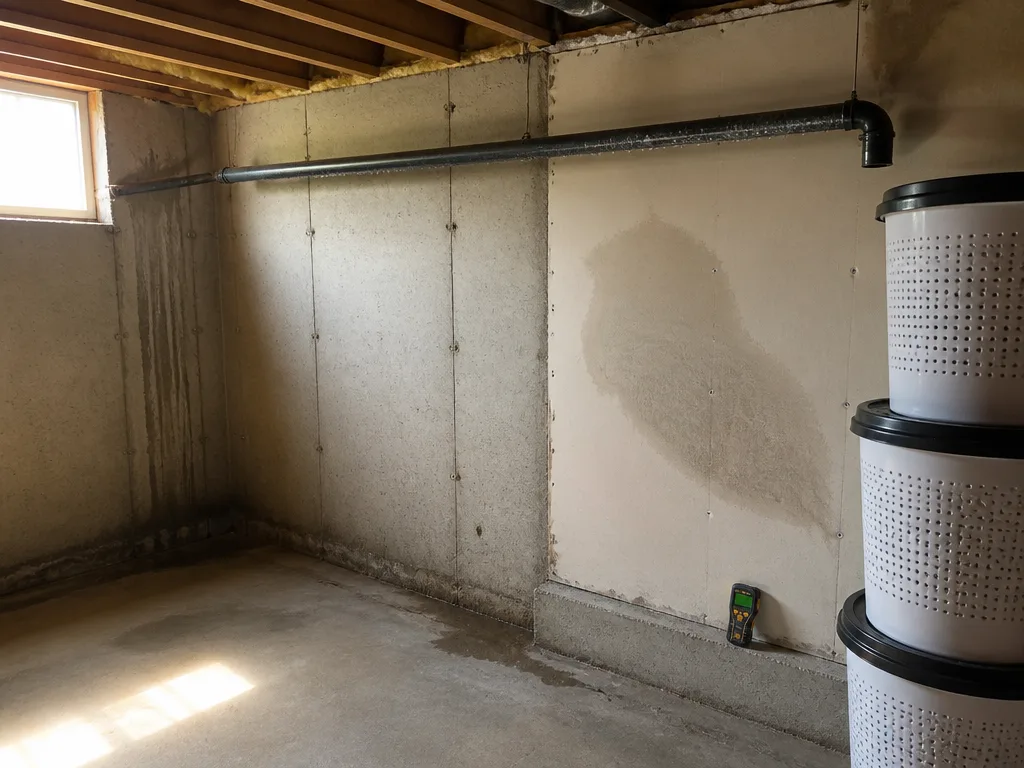
Our team surveys the space with a practical mindset. We check for warped drywall, soft spots on floors, and any discoloration that suggests water has moved through the structure. In Wyoming, climate swings mean moisture can travel differently, from snowmelt to attic leaks. A careful evaluation helps identify how far the issue has spread and what might be coming next.
When moisture is left unchecked, it can create odors and promote material damage. A restoration specialist will map out the path of moisture and note areas that could need access for drying and monitoring. This isn’t about alarm; it’s about knowing what’s going on so Wyoming homeowners can plan effectively.
Health and safety signals to watch for
Visible mold is a clear sign that a problem exists, but it isn’t the only one. A persistent musty odor, condensation on AC lines, or peeling paint near water sources should raise a flag. If you notice swelling or soft spots in drywall, or if paint loosens from walls after a storm, call a restoration specialist. In Wyoming, rapid changes in temperature can cause materials to shrink and expand, which can reveal hidden issues over time.
Take notes of what you see and feel. A basic log helps the restoration specialist determine when the issue started and what conditions may have contributed. This information helps tailor a plan that fits the home across Wyoming, rather than a quick fix that only treats the surface.
What to do now if you suspect hidden moisture
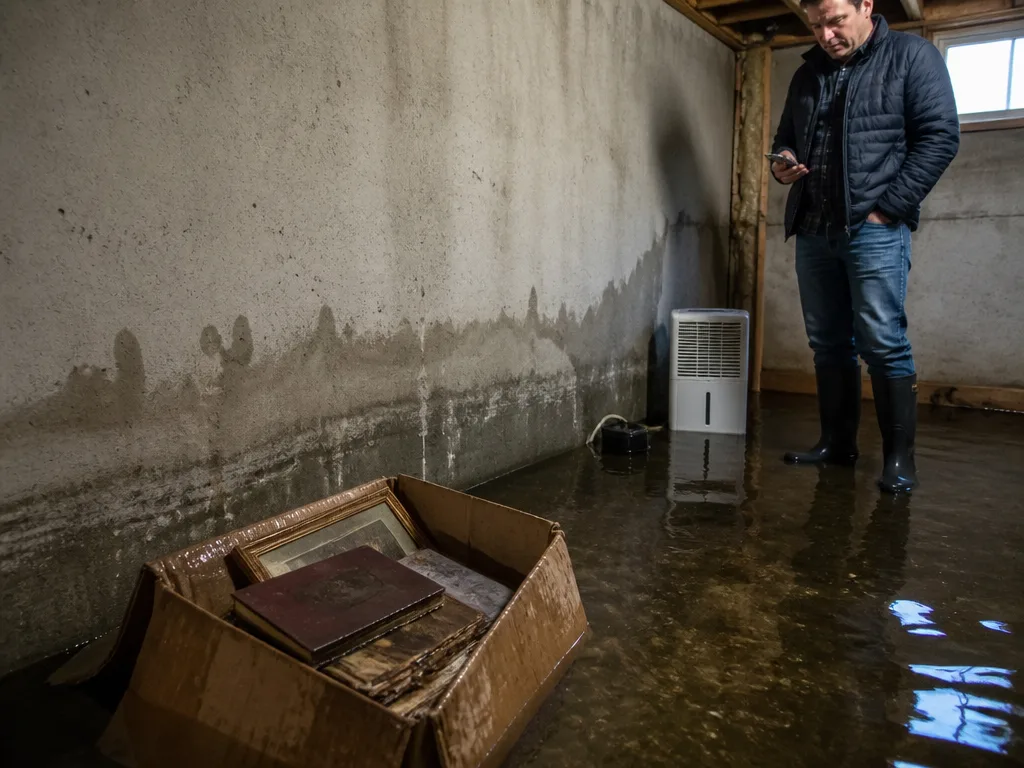
First, reduce exposure to the affected area. If possible, limit foot traffic near the spot and take steps to control humidity, such as a dehumidifier in the basement during humid months. Next, contact Wyoming Mold Remediation for a professional assessment. Our restoration specialists conduct noninvasive assessments to confirm presence and scope, then outline a path for appropriate remediation. We work statewide to ensure homeowners from the panhandle to the southern corners have a local touch when it matters.
Finally, document everything you observe. Dates, odors, and visible changes help create a clear record. A careful log supports that the problem is understood and addressed with a plan that fits the entire Wyoming home, not just a single room.